Amenhoteb Tomb
Amenhoteb Tomb
Deep within the rugged cliffs of the Valley of the Kings lies a tomb that echoes with the grandeur of Egypt’s 18th Dynasty—the Tomb of Amenhotep II (KV35). Discovered in 1898 by French Egyptologist Victor Loret, this royal burial site is not only the final resting place of one of ancient Egypt’s most formidable pharaohs, but also a treasure trove of art, architecture, and historical intrigue.
Amenhotep II, son of the legendary Thutmose III, ruled Egypt during a time of military might and cultural flourishing. Known for his athleticism and military prowess, he continued his father’s campaigns and maintained Egypt’s dominance across the Near East. His tomb reflects both his power and the spiritual beliefs of the time, blending architectural innovation with religious symbolism.
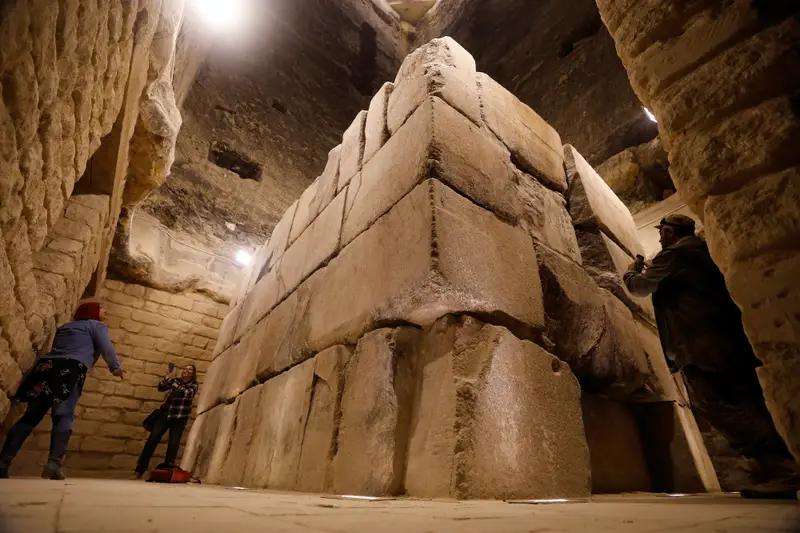
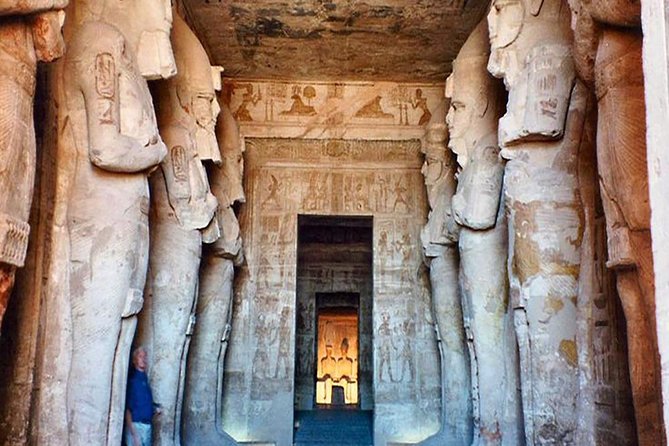
The entrance to KV35 is carved into the limestone cliffs on the west bank of the Nile, near Luxor. A steep staircase leads into a series of descending corridors and chambers, culminating in a grand burial hall supported by six pillars. The layout is more complex than earlier tombs, reflecting the evolution of royal burial architecture during the New Kingdom.
What makes Amenhotep II’s tomb especially significant is its remarkable preservation. The burial chamber is adorned with vivid scenes from the Book of Amduat, a funerary text that maps the sun god Ra’s journey through the underworld. Painted in red and black ink on a yellow background, these illustrations were intended to guide the pharaoh’s soul safely into the afterlife. The ceiling, painted with golden stars on a deep blue sky, evokes the heavens under which the king would be reborn.
One of the most fascinating aspects of KV35 is its role as a royal cachette. During the Third Intermediate Period, priests relocated several royal mummies to this tomb to protect them from looters. Among those found were the remains of Thutmose IV, Seti II, and even the famous Queen Tiye, mother of Akhenaten. This unexpected congregation of royalty has made KV35 a focal point for Egyptologists studying dynastic lineage and burial practices.
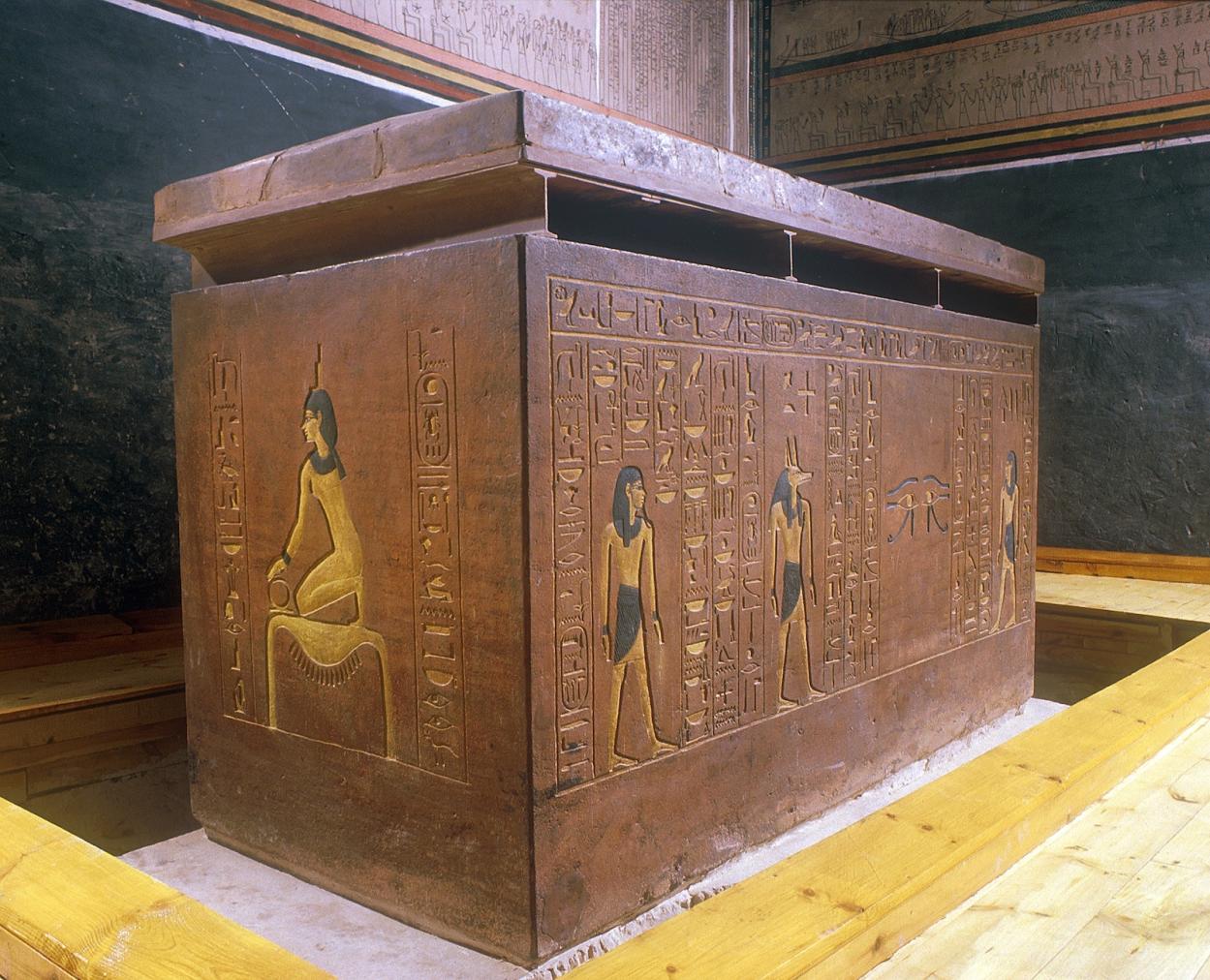
The tomb also once held Amenhotep II’s red quartzite sarcophagus, though it was found empty. His mummy, however, was discovered in an adjacent chamber, remarkably intact. The pharaoh’s body bore signs of careful embalming, and his serene expression seemed to defy the passage of millennia.
Despite its historical importance, KV35 has not escaped the ravages of time and tourism. Graffiti from 19th-century travelers and early excavators marks its walls, and some artifacts were removed to museums around the world. Yet, the tomb still retains much of its original splendor, thanks to ongoing conservation efforts.
Today, the Tomb of Amenhotep II stands as a powerful reminder of Egypt’s golden age—a place where art, religion, and royal ambition converge. It offers visitors a rare opportunity to step into the sacred space of a king who once ruled the world’s most powerful empire, and to witness firsthand the ancient Egyptians’ profound reverence for life, death, and eternity.
In the stillness of KV35, beneath the painted stars and silent stone, the legacy of Amenhotep II endures—not just as a ruler, but as a soul immortalized in the heart of the Theban cliffs.






.jpg)